
You have the star product – the investment and effort done in designing, development, production, marketing has paid off! Your product is popular, wanted, you have bagged the big retailer and distribution. 90% of the work is now done, but how do you achieve that remaining 10% to ensure sustained sales?
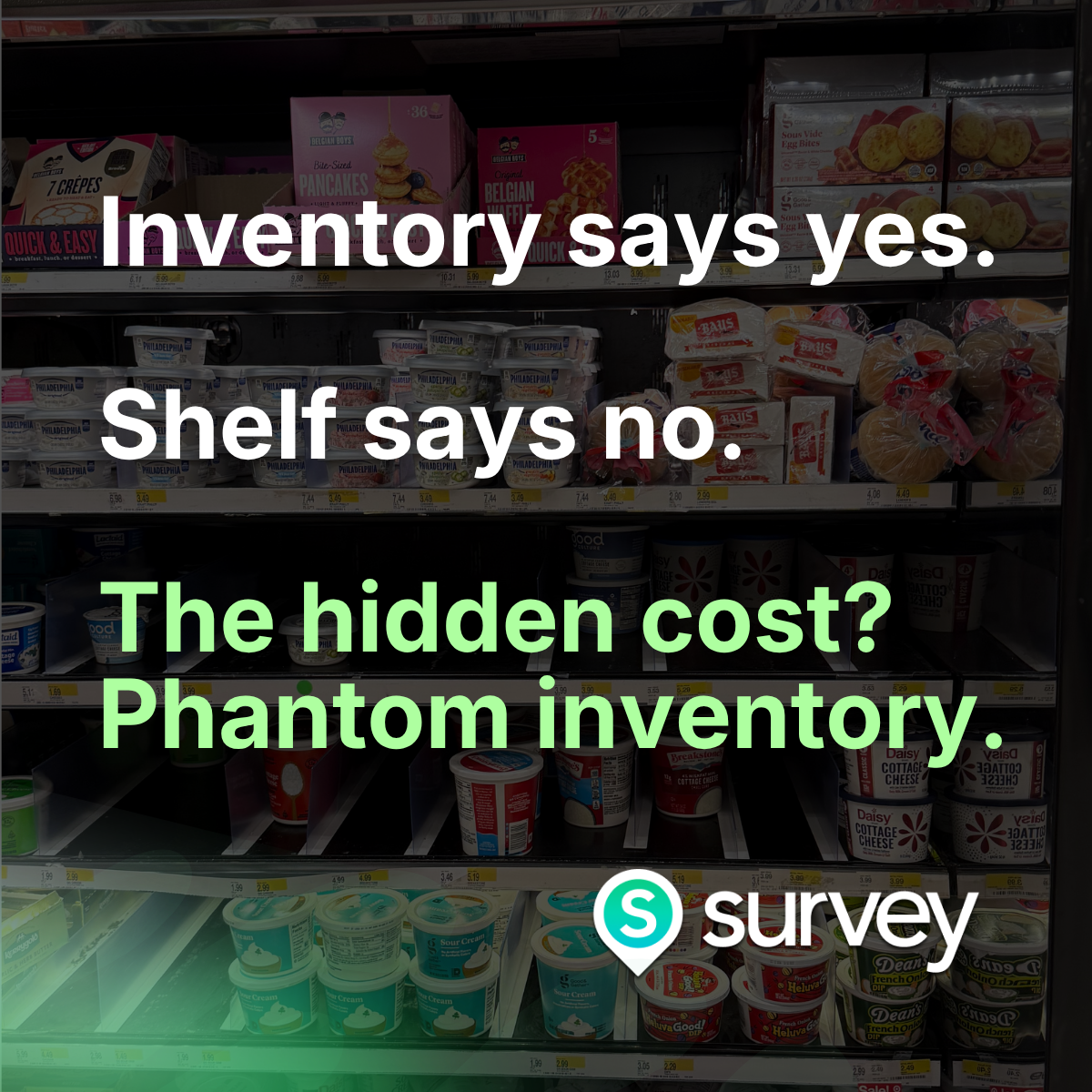
Inventory accuracy, on-shelf availability, and sell-through are the typical key metrics overseen with this goal in mind. But, from a consumer perspective, is your product shoppable? The retail industry operates under the assumption that if the products are in stock, then they are on the shelf and ready to be purchased, but acording to IHL Group research brands lose an estimated $1.2 trillion globally each year due to products missing from the shelf. As much as 60% could be attributed to products missing from the shelves, but present in the backroom.
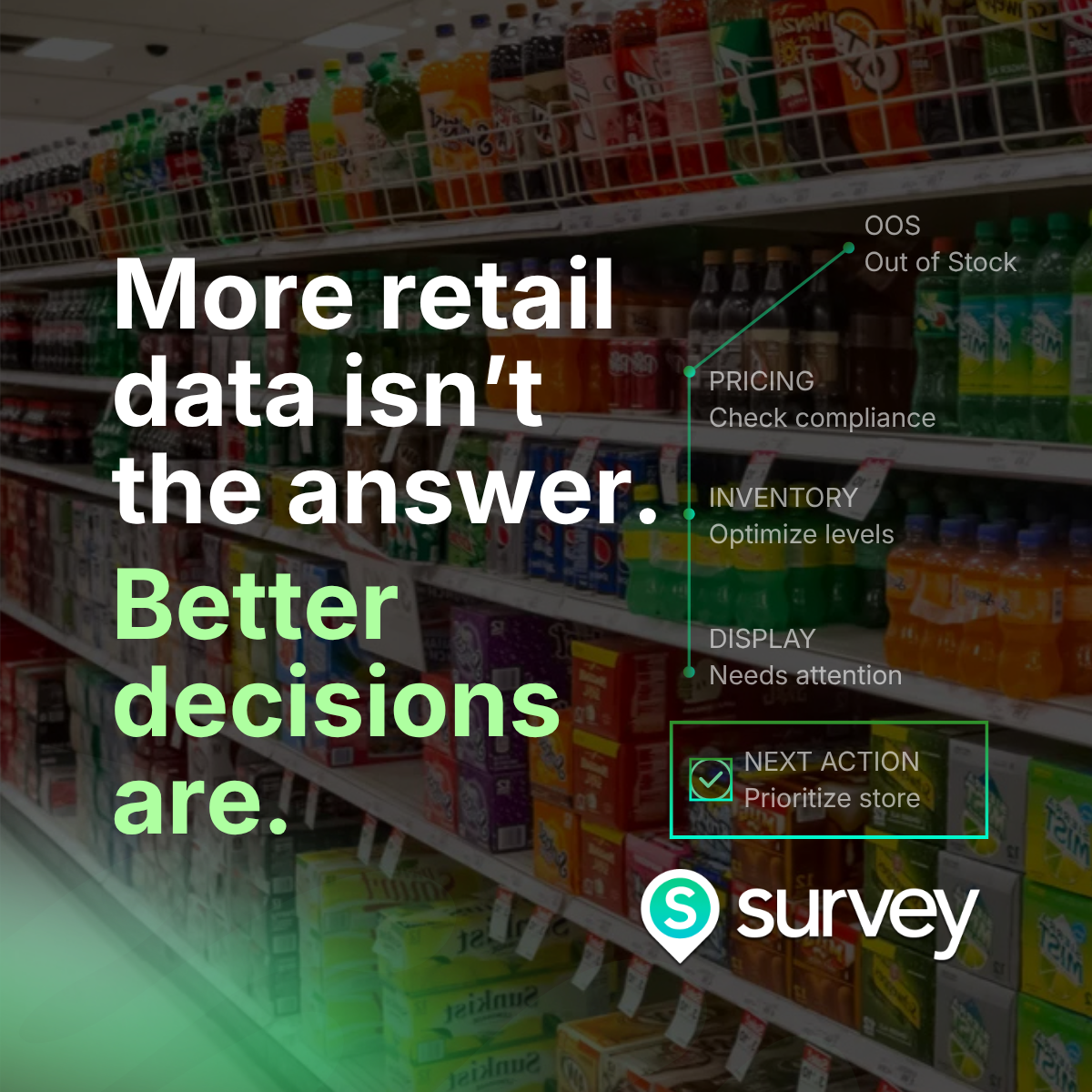
Quick detection, fix rate and on-time fix are your actual key metrics to ensure a successful product lifetime in a retailer. Closing the actual shelf-presence gaps has ensured our clients (even in very competitive and crowded markets) a noticeable sales lift compared to previous weeks without Survey input.
Our team at Survey is able to provide a focused visit, within a short actionable timeframe, and almost immediate reporting. Additionally, we can provide immediate value, how? Including steps that attempt to correct in-store issues in the same visit. A deep dive into reasons behind “low On-Shelf Availability” or the actual shop-ability of your product reflect three easily corrected items:
A quick backroom check and merchandising can solve two of these issues within minutes. A phantom inventory issue detected will require store authorization to be solved, but it can be detected and reported within a single visit.
When brands invest in closing the gap between executive metrics and actual stock and shop-ability, the results affect shopper loyalty, and validate the hard-earned place on the shelf and retailer trust.
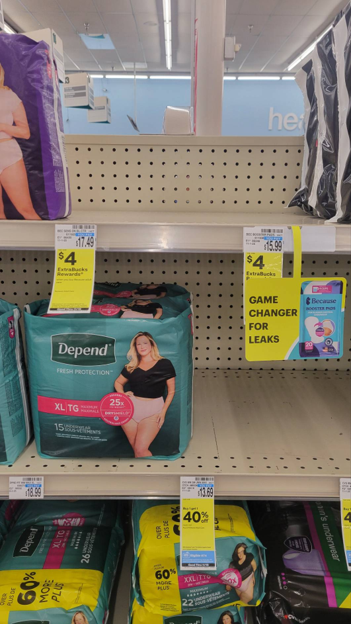
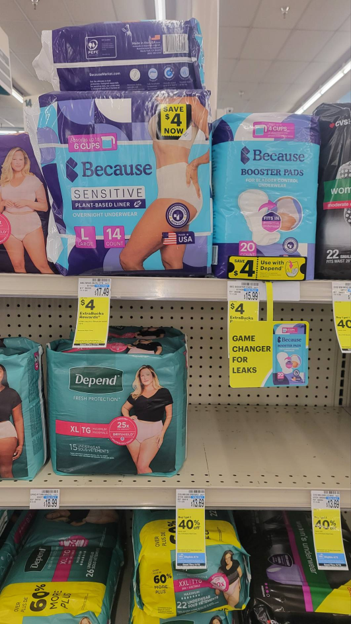
Survey partnered with Because Market to complete 1,800+ CVS and Walmart store visits between April and December 2025, placing promotional materials and resolving in-store issues—all in a single visit.