A nationwide execution network driving 100K+ retail visits monthly, capturing 1.4M data points each week and 400K verified in-store photos sounds impressive on paper.
But volume alone doesn’t move product.
What matters is what happens inside the store, and how quickly brands can respond to what’s happening there. That’s the difference between field activity and field impact.
What activity looks like
Activity is easy to count:
These metrics show coverage, and coverage matters. But coverage without insight, follow-up, and adaptability is just presence.
Presence doesn’t fix a shelf. Presence doesn’t recover lost sales. Presence doesn’t change outcomes.
What impact looks like
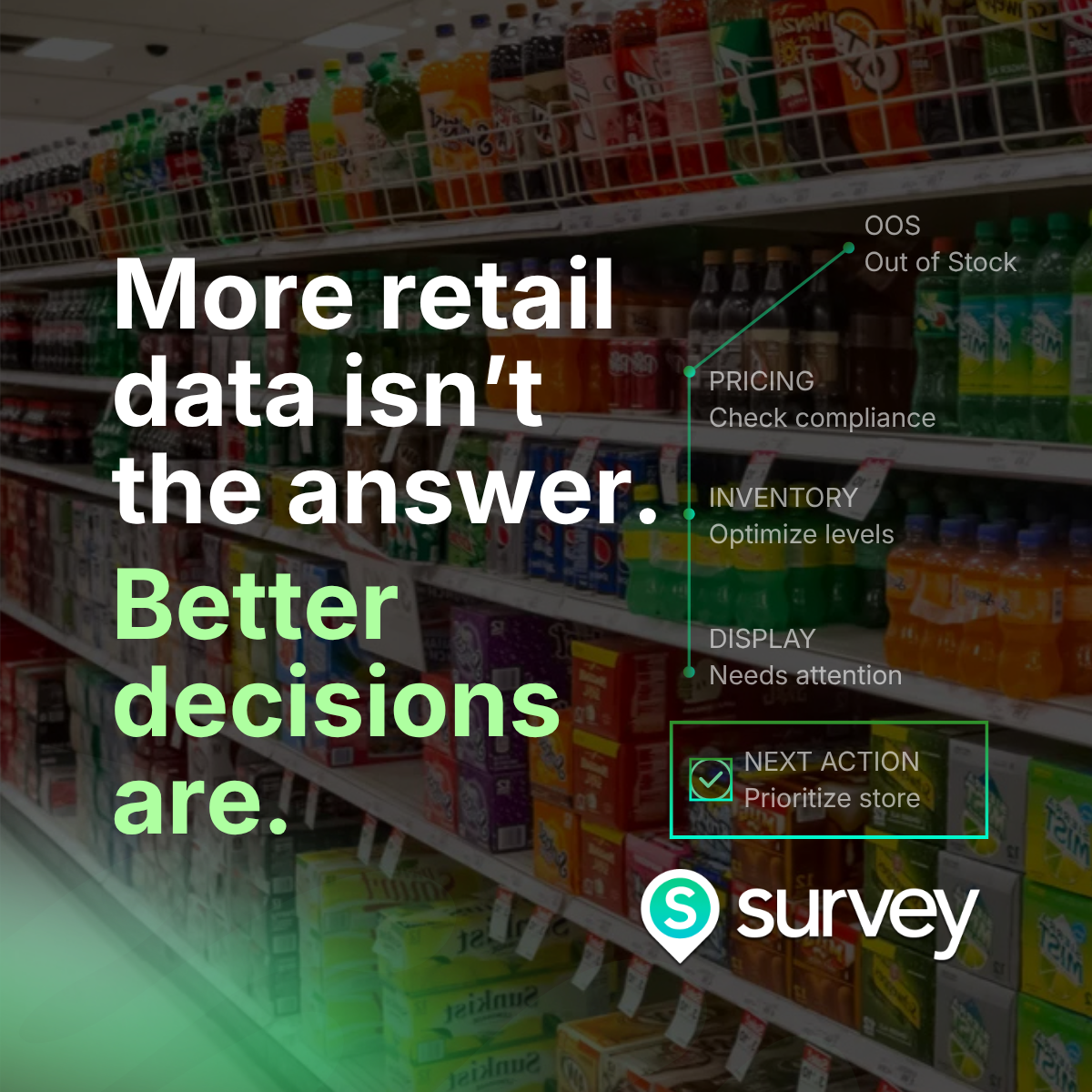
Impact is created when field execution, decision-making, and data all move fast, together.
Flexforce teams are built to do more than complete visits. Every store interaction is designed to surface what’s actually happening, determine what action is needed, and feed that intelligence back quickly enough to influence brand performance.
On the ground, that means:
- Real conversations with store teams
Not scripted check-ins, but purposeful conversations designed to uncover what’s selling, what’s being blocked, and what issues are preventing execution. These conversations generate the context brands need to act, not weeks later, but immediately.
- Backroom discovery
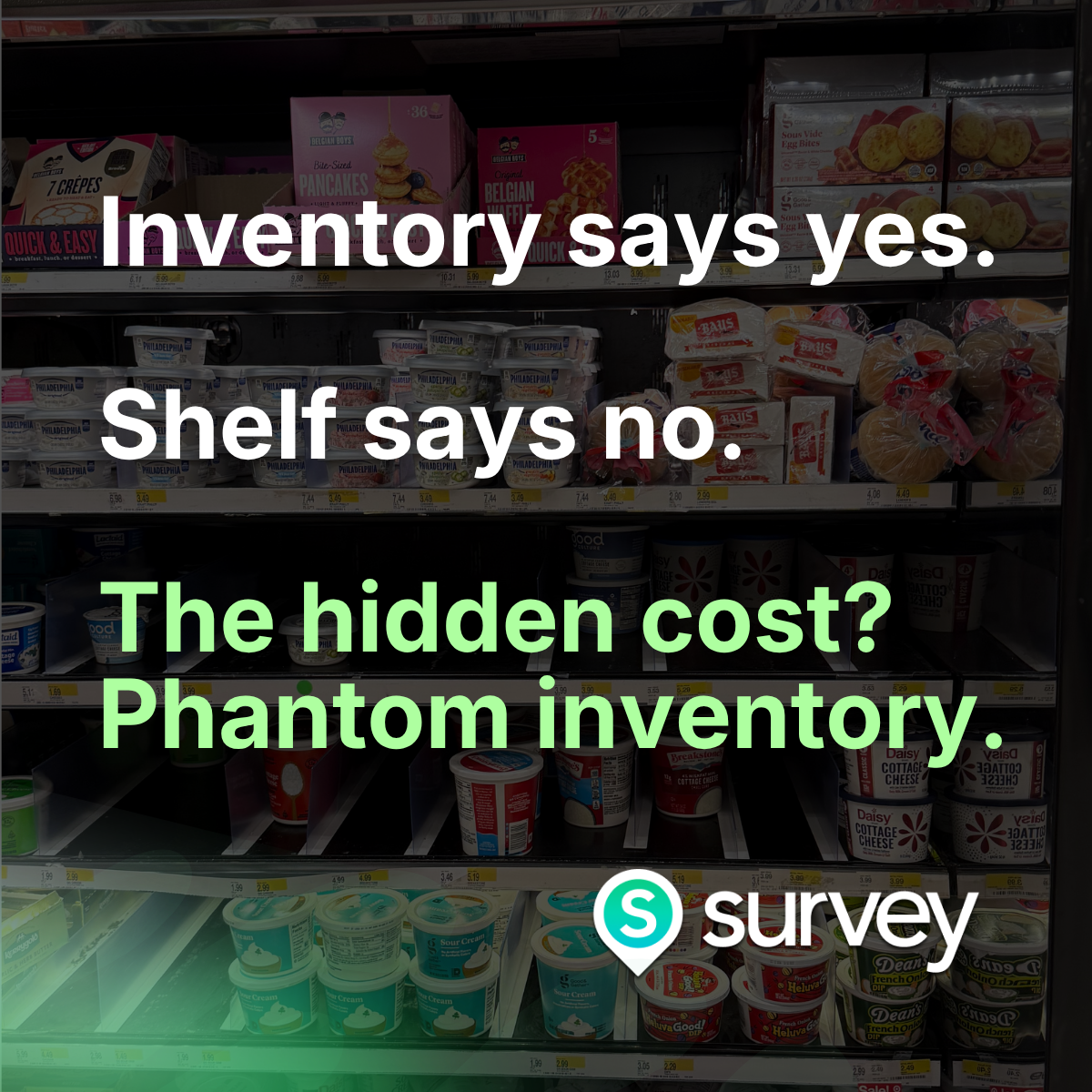
System-reported “in store” inventory often isn’t on shelf. When product is stuck in the backroom, Flexforce surfaces the issue and gets it resolved quickly, preventing days or weeks of missed sales.
- Reconciling system data with reality
Shelf conditions don’t always match scanner data. Flexforce flags phantom inventory, unreported out-of-stocks, and execution gaps so brands can make informed decisions instead of guessing.
- Shelf-ready execution that drives conversion
Product positioning, visibility, shelf and store cleanliness, and display condition all influence whether a shopper buys. These details are addressed consistently, not as isolated fixes, but as part of a broader execution strategy tied to sell-through.
Speed is the advantage
The real differentiator isn’t just what Flexforce sees, it’s how fast that insight turns into action.
Field data is captured, processed, and shared quickly so brands can:
- Adjust priorities mid-campaign
- Redirect effort to high-risk locations
- Recover from execution breakdowns before they become reporting losses
- Tailor follow-up based on what each retailer actually needs
This isn’t static reporting. It’s a feedback loop designed for quick turnaround decisions.
Tailored execution, not one-size-fits-all
No two brands, or retailers, operate the same way.
Flexforce execution adapts based on:
- Regional performance patterns
That flexibility ensures brands aren’t just “doing field work,” but doing the right field work for the situation at hand. The result is more relevant store interactions, better conversations with retail partners, and execution that aligns with actual business goals.
Data that drives conversations, and sales
Every visit produces actionable intelligence:
- Shelf and backroom conditions
- Pricing and promotion compliance
Over time, this builds a clearer picture of where execution breaks down, where opportunity exists, and what needs to change upstream. That insight fuels better internal decisions, stronger retailer discussions, and smarter go-to-market strategies.
This is how field data becomes a tool for transformation, not just reporting.
The bottom line
Field teams are often viewed as a cost line attached to distribution.
That view misses the point.
A high-performing field program accelerates decisions, recovers lost sales, and connects in-store reality directly to strategy. It bridges the gap between shipping product and selling product.
Thousands of store visits don’t matter if nothing changes afterward.
Flexforce is built around speed, adaptability, and impact — because execution only matters when it moves sales forward.
Learn how Survey’s field team helps brands win at retail →