By Gabriela Alejandra Gomez
A product can show as available in a retailer’s inventory system and still be impossible for a shopper to find and purchase.
It may be sitting in the backroom. It may have been misplaced. The inventory count may simply be inaccurate.
From a retailer’s system, the item is in stock.
From a data perspective, the product exists.
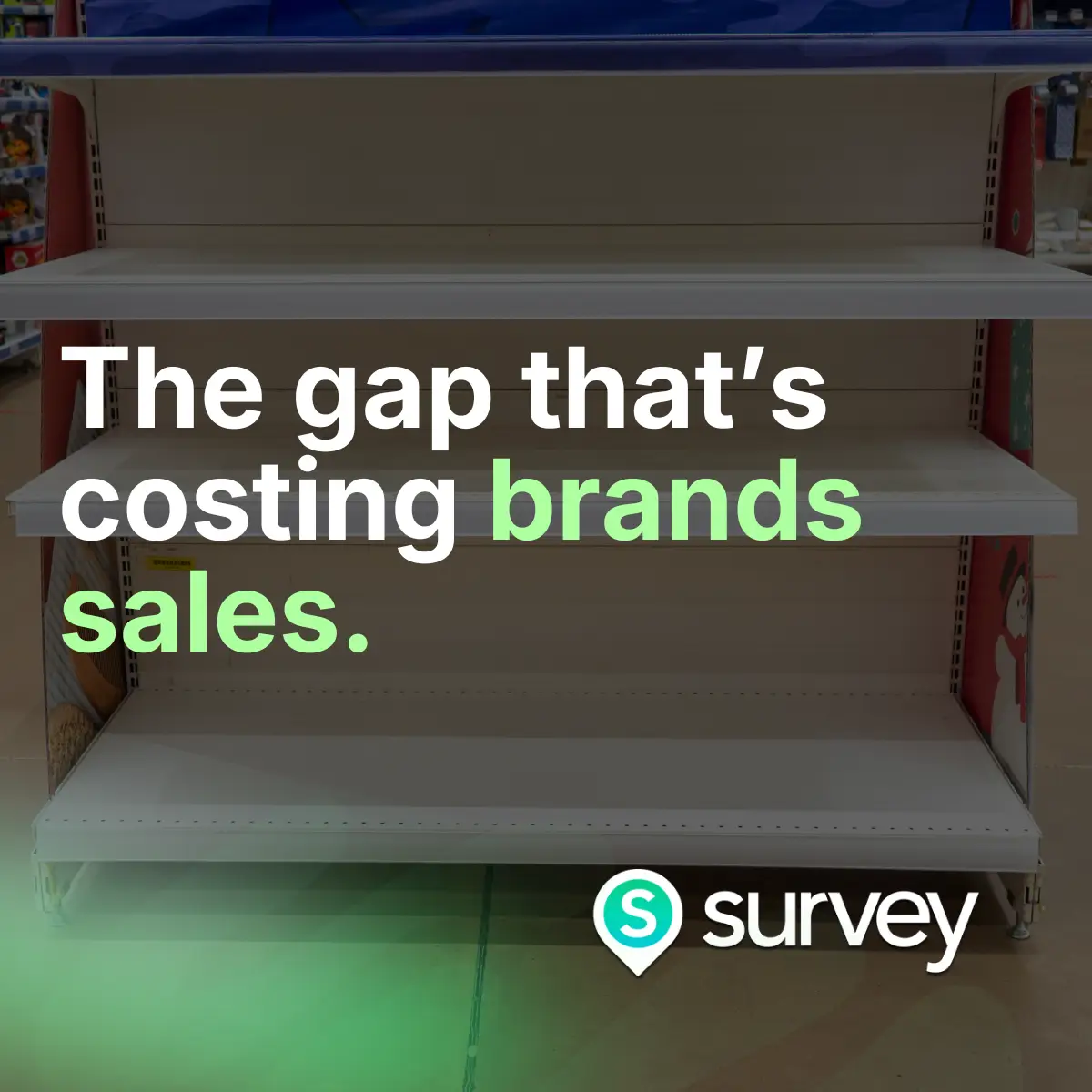
From a shopper’s perspective, it doesn’t.
This disconnect is known as phantom inventory, and it can quietly create significant challenges for brands, retailers, and field teams alike.
What Is Phantom Inventory?
Phantom inventory occurs when a retailer’s inventory system indicates that a product is available, but the product is not actually accessible to shoppers.
Phantom inventory can quietly drive lost sales because it hides the problem from the replenishment process. When a system believes inventory is available, a reorder may not be triggered even while the shelf remains empty.
Common causes include:
- Incorrect inventory counts
- Products stored in the backroom instead of the sales floor
- Misplaced products
- Scanning or receiving errors
- Theft, damage, or shrink
- Gaps in replenishment execution
The result is a product that appears available in reports but remains unavailable at the point of purchase.
For brands focused on driving sales and maintaining shelf availability, these hidden inventory issues can create costly blind spots.
Why Phantom Inventory Matters
The impact of phantom inventory extends far beyond a single missing SKU.
Lost Sales
If shoppers can’t find a product, they can’t buy it. Many will choose a competing brand or abandon the purchase altogether.
Delayed Replenishment
When inventory systems believe stock remains available, automated replenishment processes may not trigger a reorder.
This can leave shelves empty longer than necessary.
Reduced Promotional Performance
Promotions, displays, and retail media investments become less effective when shoppers arrive expecting to purchase a product that isn’t actually available.
Distorted Demand Signals
Brands rely on sales data to understand demand and forecast inventory.
When products are unavailable despite showing inventory in the system, demand can appear weaker than it truly is.
This can lead to inaccurate forecasting and missed growth opportunities.
Wasted Field Resources
Without clear visibility into root causes, field teams may spend time addressing lower-priority issues while more significant availability problems remain unresolved.
The Difference Between “In Stock” and “Shoppable”
For brands, product availability should not be measured solely by inventory data.
The more important question is:
Can a shopper actually find and purchase the product?
A SKU sitting in a backroom may technically be in stock, but it isn’t generating sales.
True on-shelf availability requires more than inventory visibility. It requires execution at the store level.
How Retail Execution Helps Address Phantom Inventory
Identifying phantom inventory is only the first step. The opportunity is bigger than simply finding an out-of-stock product. It’s about understanding why it’s unavailable and taking action to fix it.
The real value comes from understanding why a product is unavailable and taking action to correct the issue.
When store conditions and retailer policies allow, field teams can:
- Identify SKUs that appear in stock but are missing from the shelf
- Verify inventory using retailer-approved tools and store-level observations
- Validate whether physical inventory matches system records
- Correct inventory discrepancies through approved retailer processes
- Support shelf, display, and merchandising execution
- Capture photos and other documentation for verification
- Measure improvements in availability over time
By addressing the root cause of phantom inventory, brands can help restore accurate inventory records and improve replenishment effectiveness.
From Detection to Replenishment
At Survey, retail execution goes beyond reporting issues.
Our approach helps brands move through a complete workflow:
Detect → Verify → Correct → Replenish → Measure
This process helps transform inventory visibility into action and helps ensure products are available where they matter most: on the shelf.
The Business Opportunity
The goal isn’t simply to report that a product is out of stock.
It’s to understand why, take the appropriate action, and help get the product back where it belongs:
On the shelf. Available to the shopper.
Because shoppers don’t buy what the system says is in stock.
They buy what they can see, find, and reach.
Ready to Improve On-Shelf Availability?
Discover how Survey’s Retail Performance Suite helps brands identify phantom inventory, improve retail execution, and prioritize the highest-impact store opportunities.
Learn more about the Retail Performance Suite →